
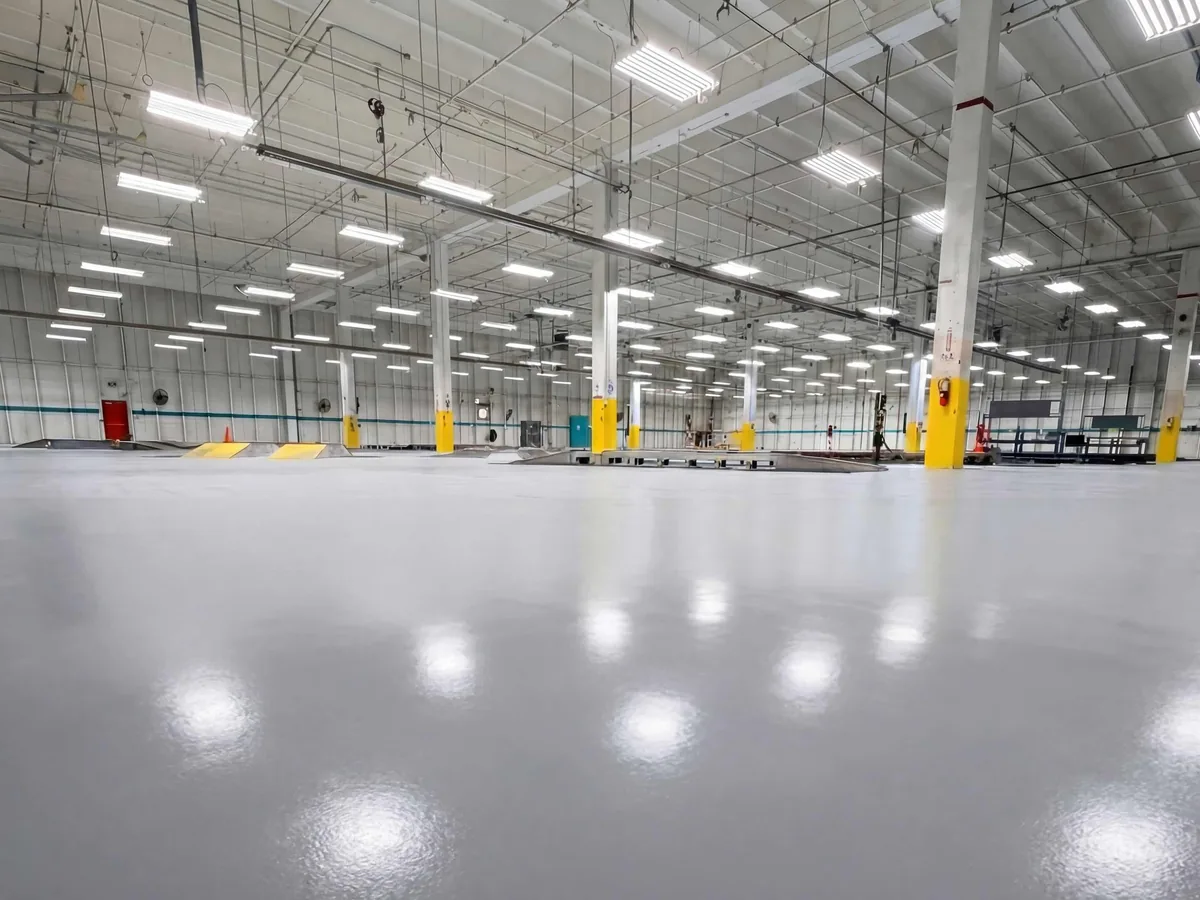
Epoxy Coatings
Our epoxy system goes over concrete we grind first and ends in a sand finish for grip. It suits workshops, utility and laundry rooms, basements and commercial floors.
Learn More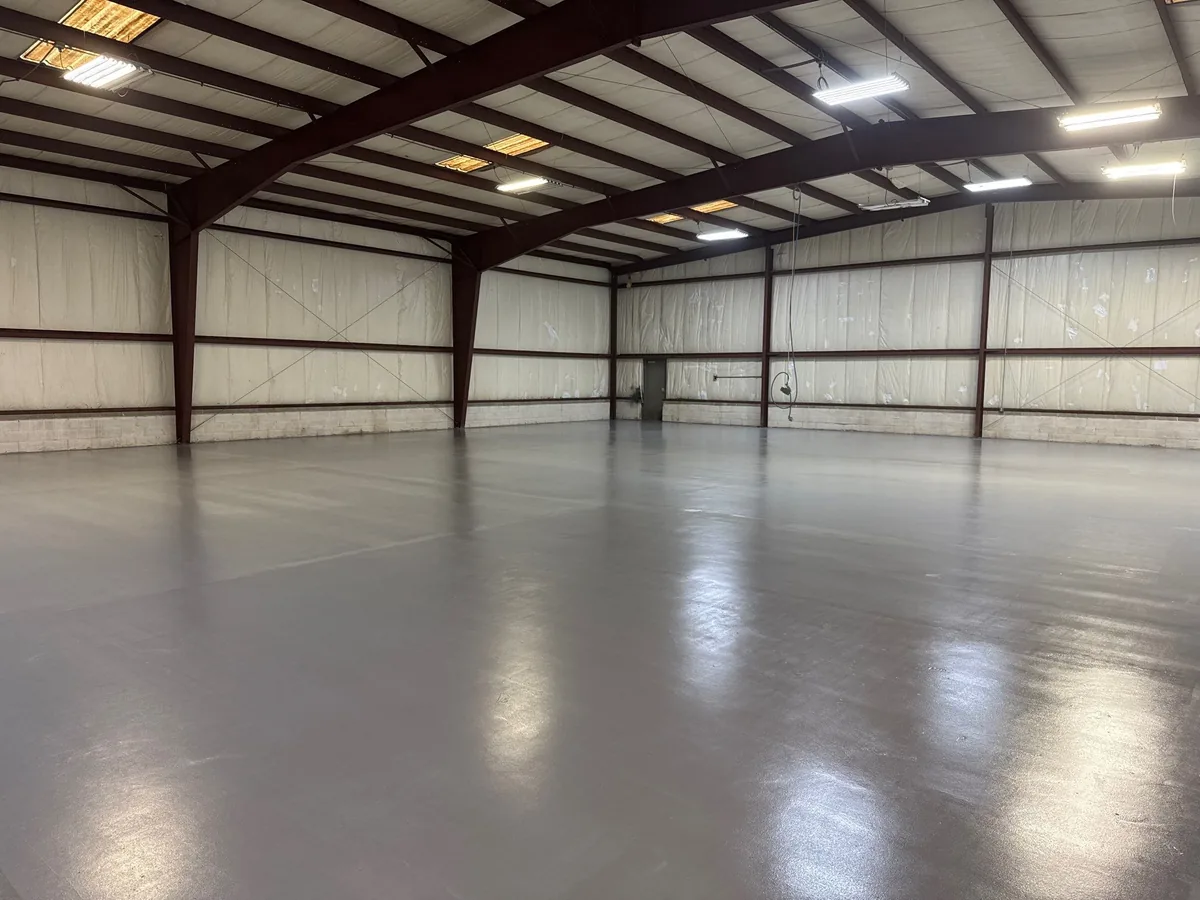
Commercial floor coatings put a sealed surface over bare concrete, which soaks up oil and other spills. Armor Garage Flooring coats shop floors, workshops, service bays and warehouses across Polk County and Central Florida. On these floors we install an epoxy system with a sand finish. The sand gives grip underfoot, and a sealing topcoat locks it in.
We also coat showrooms and back-of-house floors. Where the look matters, a full flake finish over our polyaspartic system adds color. Every floor starts the same way: we grind the concrete to remove the weak top layer and open its pores. Call or text (866) 282-7667 for a free estimate.
Tell us about the garage, patio, driveway or shop floor and where it is. We look at the job and put your free estimate in writing.
Our sand-finish system starts with prep. We grind the concrete and fill the cracks. Then the slab is tested for moisture, and a moisture-blocking primer goes down when the slab calls for one.
Next comes the epoxy base coat. Sand is broadcast into the wet epoxy until it will not take any more. After it cures, the loose sand is swept off and a sealing topcoat goes on. It is the same system behind our epoxy floor coatings for home workshops. Where you want color in a textured floor, colored quartz goes into the wet coat in place of sand. That is the system behind our quartz floor coatings, and the 30 colors are on our flake and quartz colors page.
Control joints can be filled or coated into, and one data sheet leaves that choice to the floor's owner. A crack that moves can show through the coating again, even after it is filled.
Start with what rolls across the floor. The commercial floors we coat are made for demanding environments and equipment traffic. Each system still has limits. One coating system's sheet says it is not intended for heavy industrial or continuous forklift traffic.
A flooring manufacturer tells owners to share their equipment and weights before a system is chosen. An industrial floor coating has to match its loads, and the chemicals spilled on it matter too. Tell us what crosses your floor and what spills on it.
Service bays see hot tires. A hot tire expands on the floor and shrinks as it cools. That can peel a coating with a weak bond. The trade calls it hot tire pickup, and a resin flooring maker traces it to poor prep. Grinding and a strong bond to the concrete are what resist it.
Central Florida weather shapes the work. NOAA climate normals put summer dew points across the region in the low 70s. Coating sheets call for a slab at least 5 degrees Fahrenheit above the dew point. the normal July high at Lakeland, the nearest weather station, is about 92 degrees, and heat shortens a coating's working time.
Moisture can also rise from below. Large parts of Polk County sit on flatwoods sand. There, federal soil surveys put the water table within 18 inches of the surface. In most years it stays that high for 1 to 4 months. One data sheet warns that moisture vapor in a slab can lead to blistering and coating failure.
So the slab and the weather are checked before any coating goes down. Eagle Lake, Winter Haven and Lakeland all sit inside our service area, which covers Polk County and the Four Corners side of Central Florida. Find your town on our service area page.
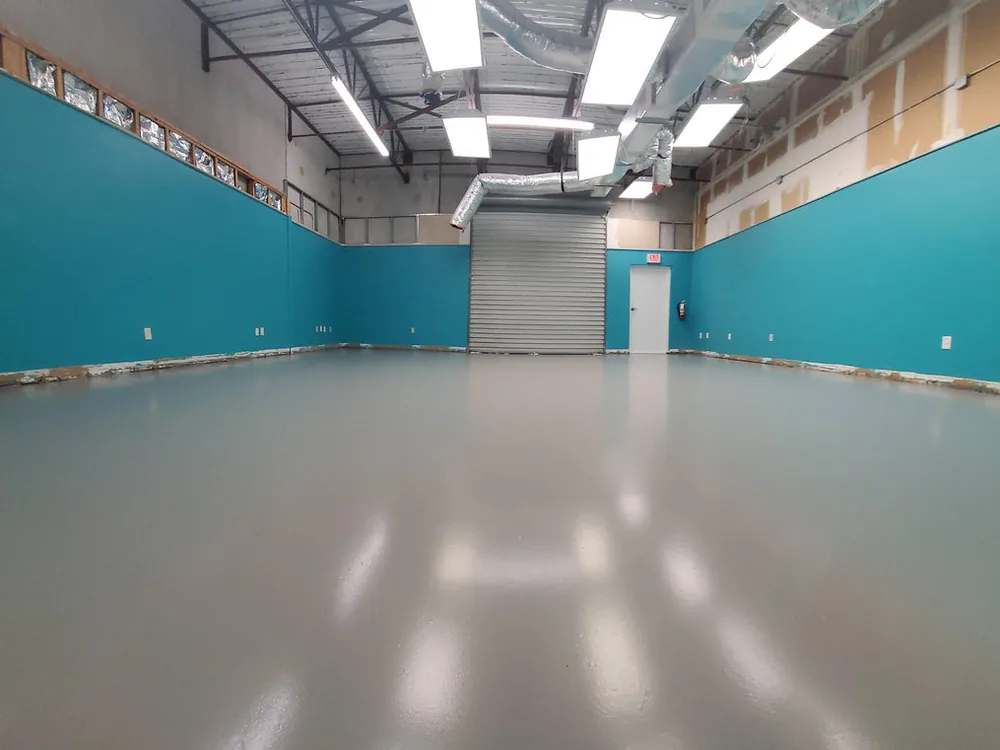
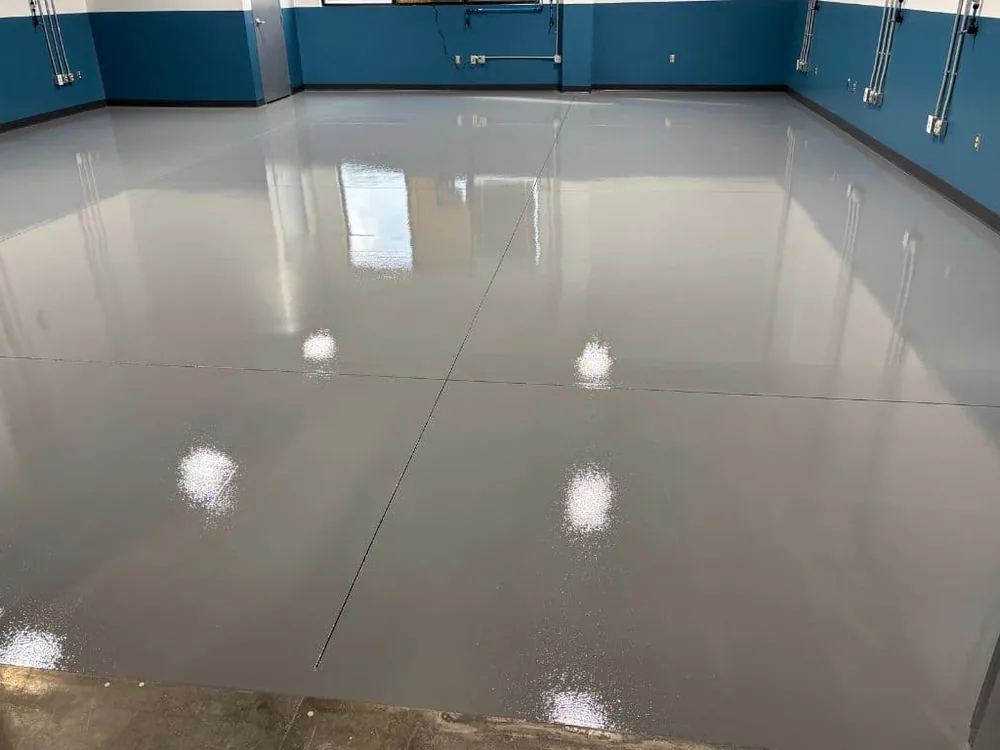
Call or text for a written quote. We work about 45 miles around Eagle Lake across Polk County and Four Corners.
(866) 282-7667From the first call or text to the finished work, here is how it goes.
Call or text (866) 282-7667, or send the form. Tell us which floor you want coated and the town it is in.
We look at the concrete, including cracks and any old sealer or coating. Then we recommend the system that fits.
Your free estimate comes in writing, with the work and the price spelled out. Once you say yes, we set a start date.
We grind the whole slab and fill the cracks before any coating goes on.
A base coat goes down, then the flake or the sand, then a topcoat. The coating manufacturer's schedule sets when you can walk on it and park on it.
Common questions about commercial floors around Eagle Lake and the rest of Polk County. If yours is not here, call or text and ask.
Our epoxy system goes over concrete we grind first and ends in a sand finish for grip. It suits workshops, utility and laundry rooms, basements and commercial floors.
Learn More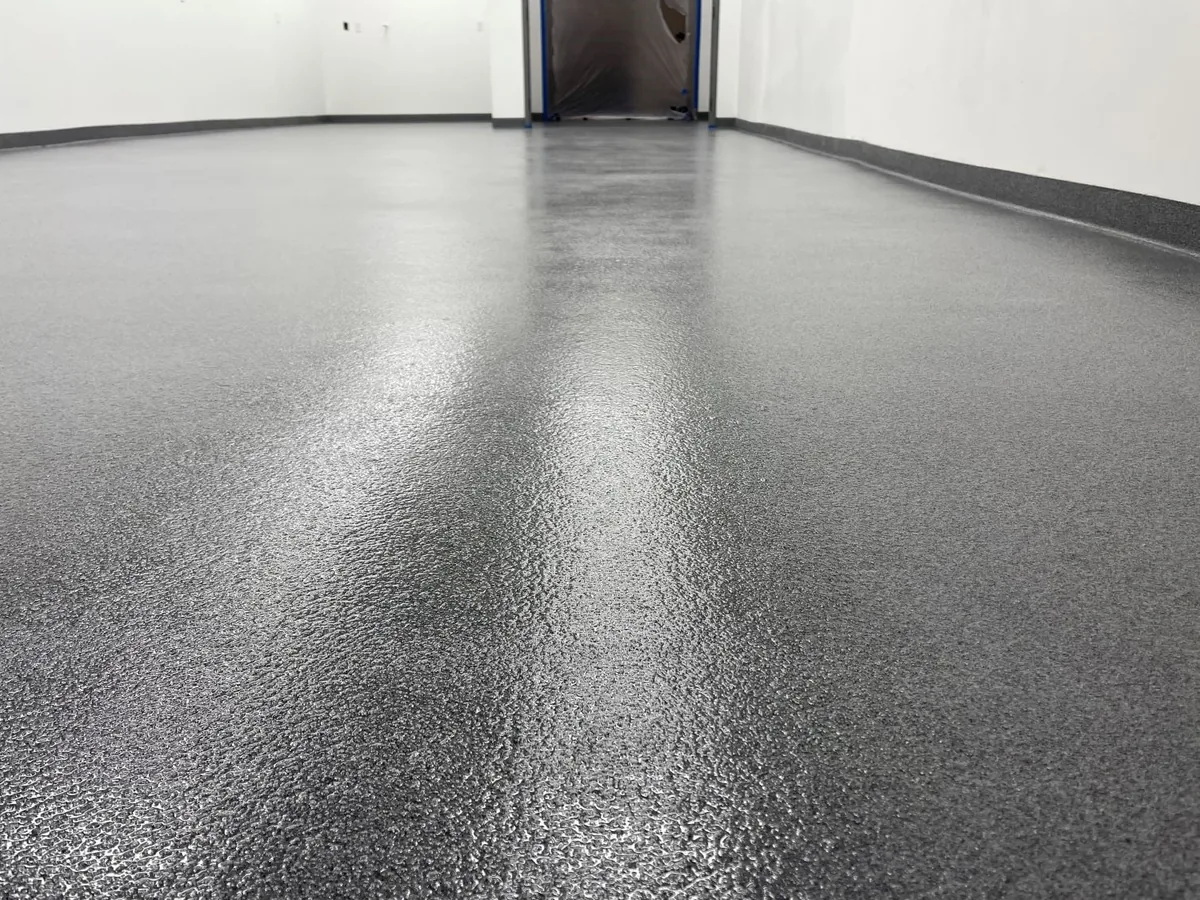
A quartz floor coating puts two broadcasts of colored quartz into the coating, then a clear topcoat. The textured finish has no grout lines, and it suits restaurant kitchens, commercial floors and pool decks.
Learn More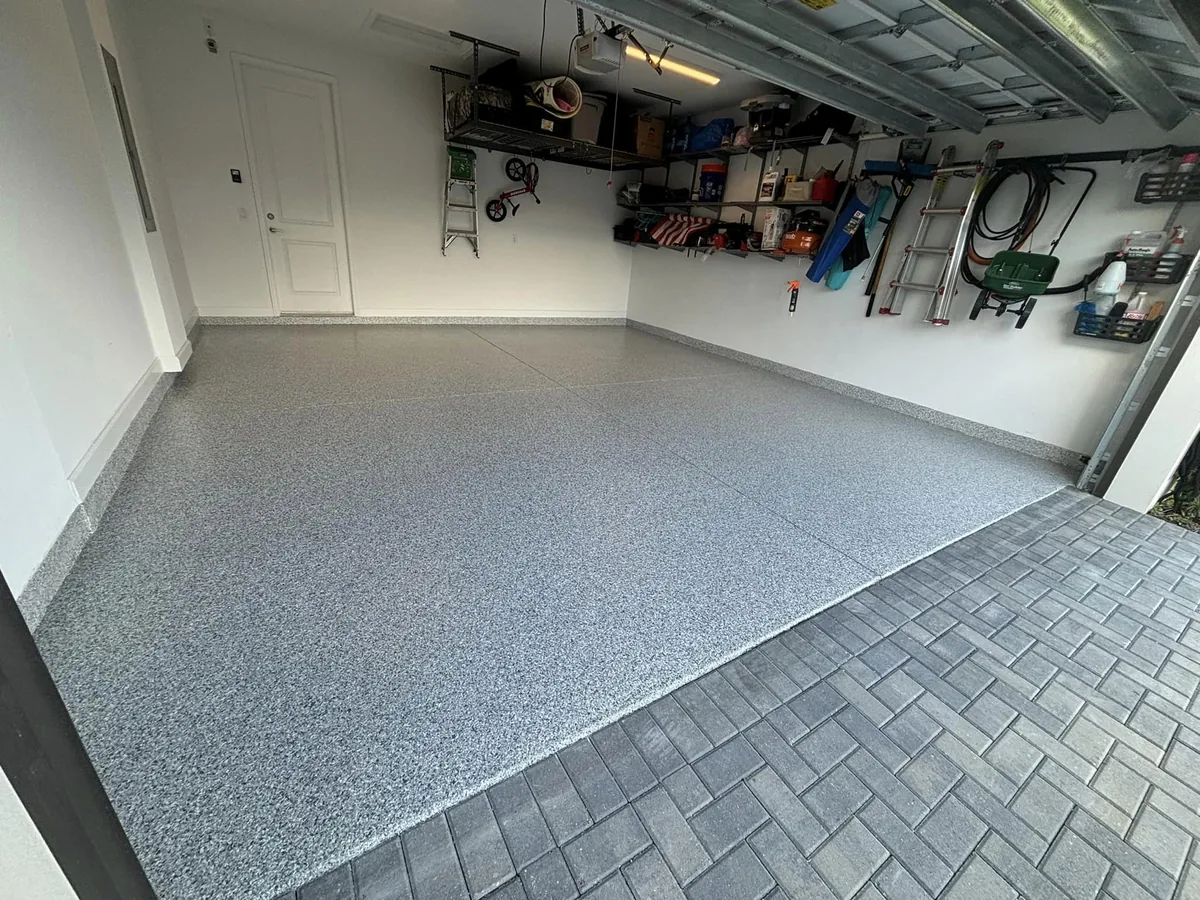
Our main garage floor system pairs a polyaspartic coating with a full flake broadcast. It cures fast and holds its color in the sun.
Learn MorePolyaspartic full flake goes on garages, with a UV-stable topcoat. Epoxy with a sand finish goes on shop floors and workshops.
Every job starts with a look at the floor. Your free estimate then spells out the system and the price in writing.
Tell us about the floor you want coated and where the property is. Call or text (866) 282-7667 or use the form, and we will set up your free estimate.
Tell us about the garage, patio, driveway or shop floor and where it is. We look at the job and put your free estimate in writing.