
Flake Floors
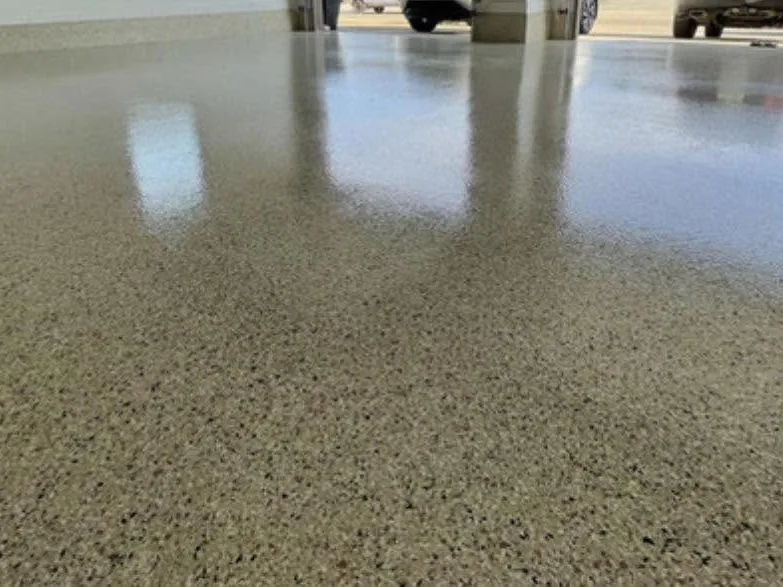
A full flake floor covers the slab in color chips, edge to edge, under a clear topcoat. Pick a flake blend to match your style.
Learn More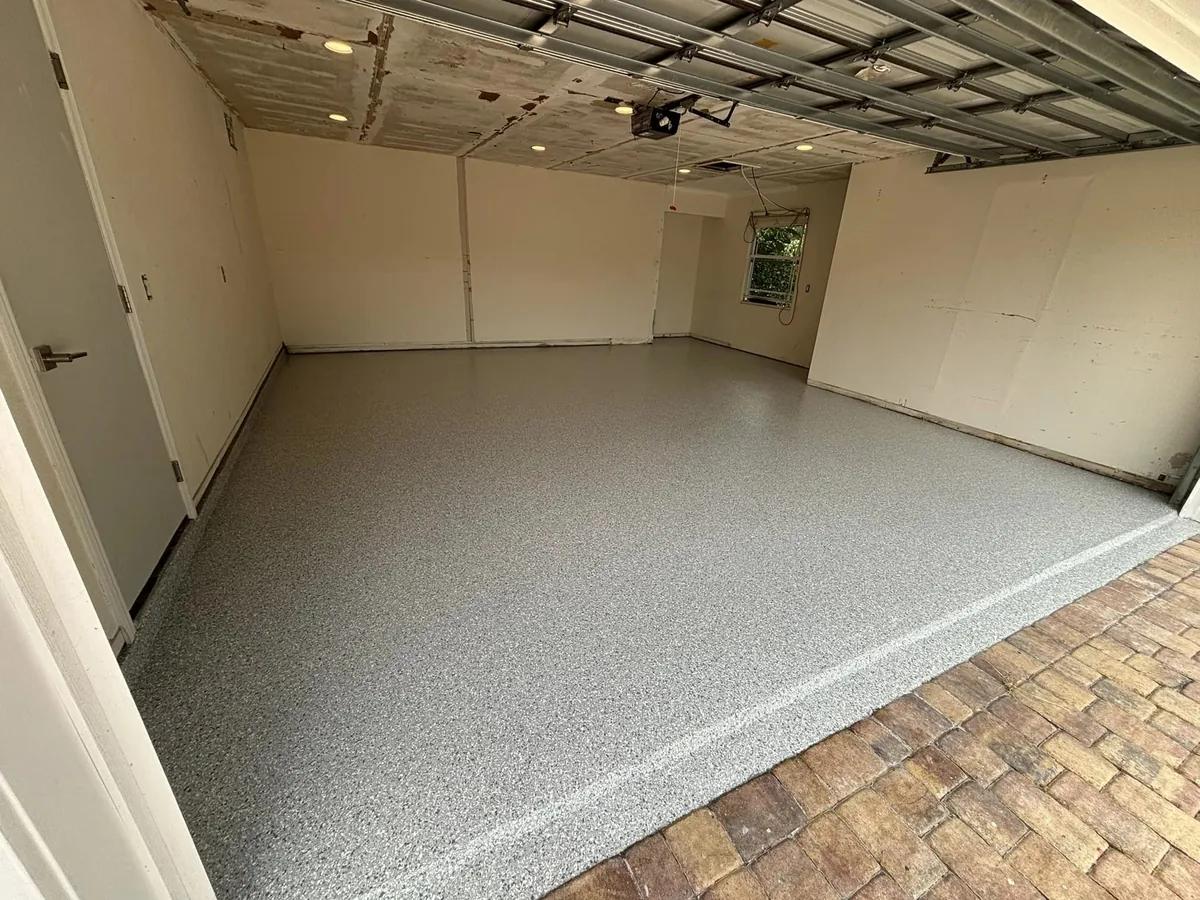
Polyaspartic floor coatings are the main garage floor system at Armor Garage Flooring. Polyaspartic cures fast and holds its color in the sun. We grind the concrete first, then lay a polyaspartic base coat with flake broadcast over the whole floor. A clear topcoat seals it, and the finished floor is made to resist hot tire pickup.
We install garage floor coatings in Eagle Lake and across Polk County and the Four Corners side of Central Florida. That includes new homes in new-construction communities. Call or text (866) 282-7667 for a free estimate.
Tell us about the garage, patio, driveway or shop floor and where it is. We look at the job and put your free estimate in writing.
Polyaspartic is a two-part coating from the polyurea family. Data sheets call it an aliphatic polyurea, and it cures fast. Once mixed, it stays workable for only about 10 to 30 minutes. Heat cuts that time short, and the normal July high at Lakeland, the nearest weather station, is about 92 degrees.
Sunlight is where polyaspartic and epoxy part ways. Epoxy data sheets warn that epoxy can yellow and chalk with long sun exposure. Polyaspartic holds its gloss and color, which matters in a garage that gets afternoon sun through an open door. That is a big reason we use it on garages.
Every polyaspartic floor starts with grinding the concrete. Grinding takes off the weak top layer and opens the pores, so the coating can grab hold. A trade column on these coatings warns that acid etching adds moisture to the slab and can lead to peeling. Cracks get filled as part of the prep.
The same column reports polyaspartic floors failing over slabs that gave off too much moisture. Large parts of Polk County are flat, sandy ground where the water table rises in the June to September rains. That ground moisture can move up into a slab from below. We test the slab first and add a moisture-blocking primer when the reading calls for one.
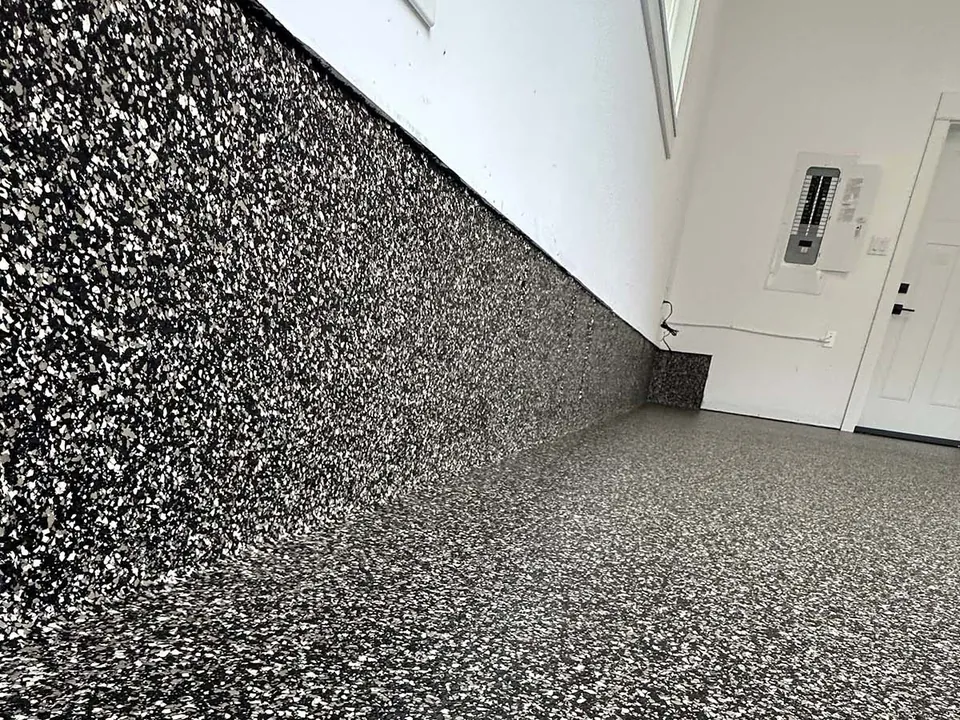
On install day, we check the slab temperature against the dew point. Data sheets want the slab 5 degrees warmer or more, and summer dew points here sit in the low 70s. Then the base coat goes down and flake is broadcast over the whole floor. The extra flake is scraped off before a clear topcoat seals the full flake finish.
Hot tire pickup happens when tires, warm from a drive, grip the coating as they cool. If the bond is weak, the tire pulls the coating off the slab. A resin flooring maker blames poor prep, such as skipped grinding or the wrong primer.
Our floors are made to resist it, and that resistance comes from the bond. A clean, ground slab and a coating that bonds well to it are what hold up. Tire oils can also soak into bare concrete where cars park, and grinding alone cannot always remove them. That is one reason to coat a new garage before the first car rolls in.
Tire staining is a separate issue. A polyaspartic data sheet warns that soft, high-performance tires may stain the finish. For the first week, the same maker suggests letting hot tires cool before you park on a new coating.
Call or text for a written quote. We work about 45 miles around Eagle Lake across Polk County and Four Corners.
(866) 282-7667From the first call or text to the finished work, here is how it goes.
Call or text (866) 282-7667, or send the form. Tell us which floor you want coated and the town it is in.
We look at the concrete, including cracks and any old sealer or coating. Then we recommend the system that fits.
Your free estimate comes in writing, with the work and the price spelled out. Once you say yes, we set a start date.
We grind the whole slab and fill the cracks before any coating goes on.
A base coat goes down, then the flake or the sand, then a topcoat. The coating manufacturer's schedule sets when you can walk on it and park on it.
Common questions about polyaspartic coatings around Eagle Lake and the rest of Polk County. If yours is not here, call or text and ask.
A full flake floor covers the slab in color chips, edge to edge, under a clear topcoat. Pick a flake blend to match your style.
Learn More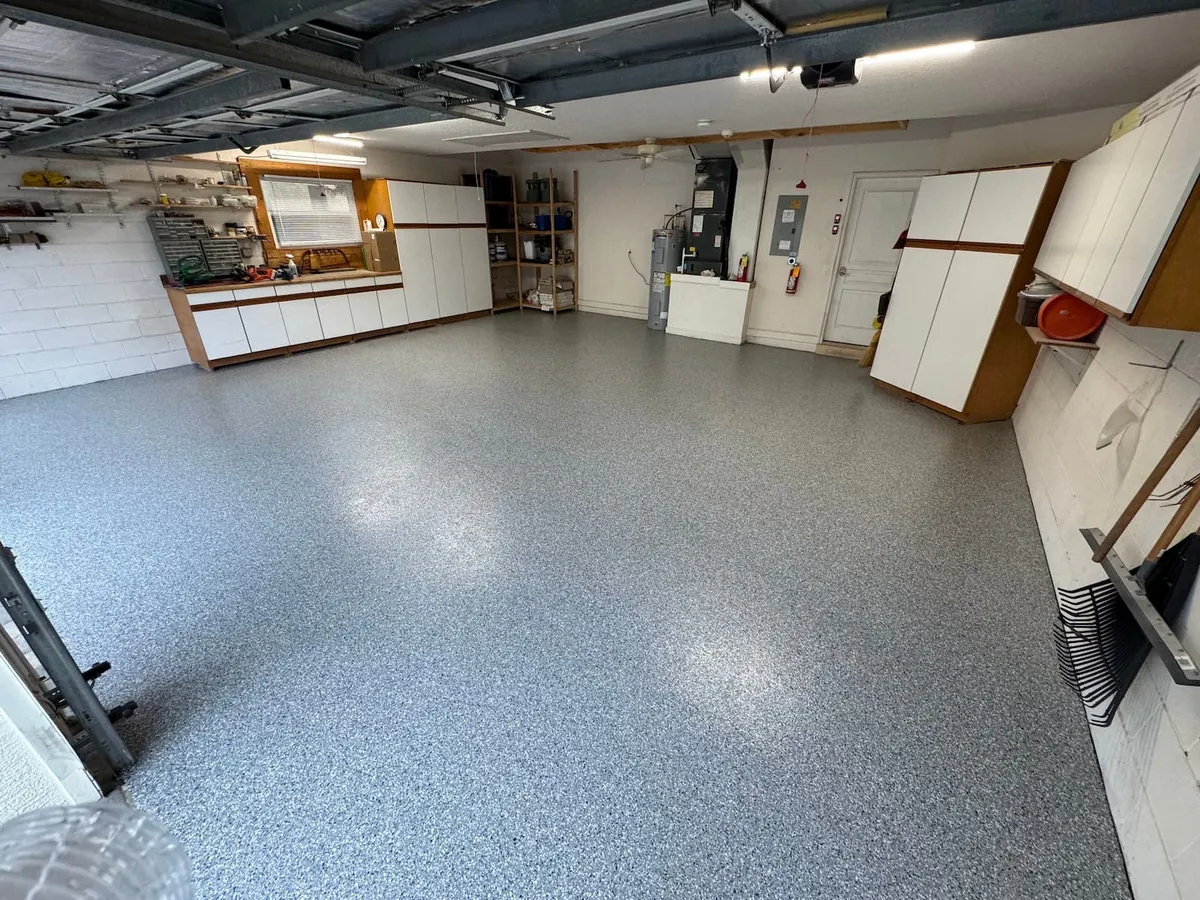
Our polyurea floor coatings start with a polyurea or hybrid epoxy/polyurea base coat on ground concrete. Flake is broadcast to rejection, and a clear polyaspartic topcoat seals the floor.
Learn More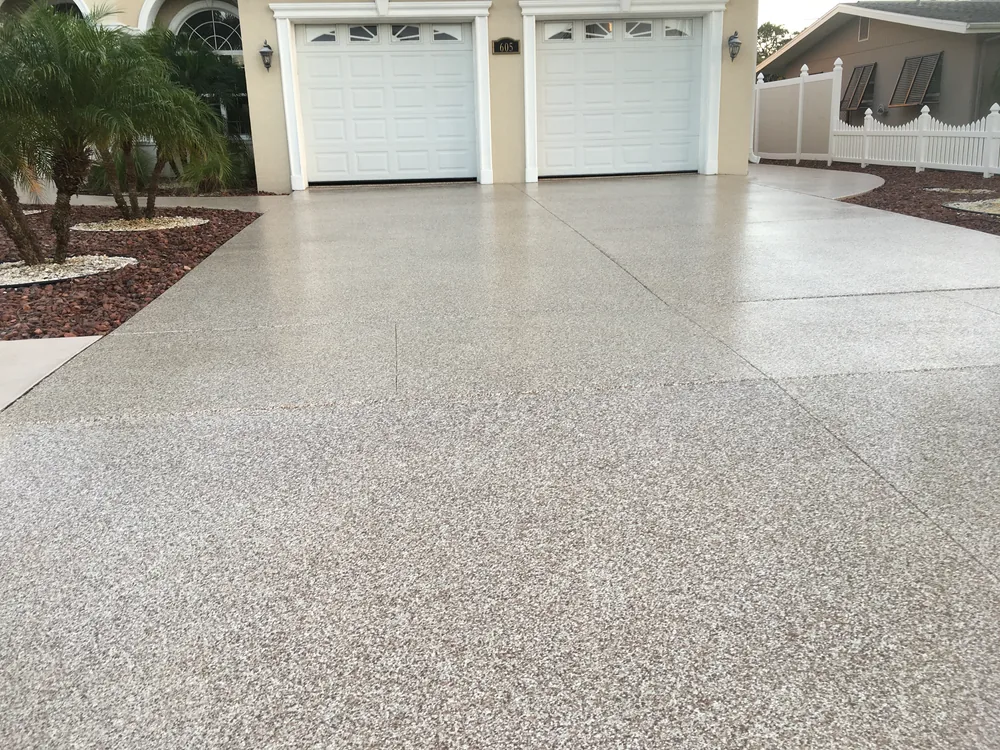
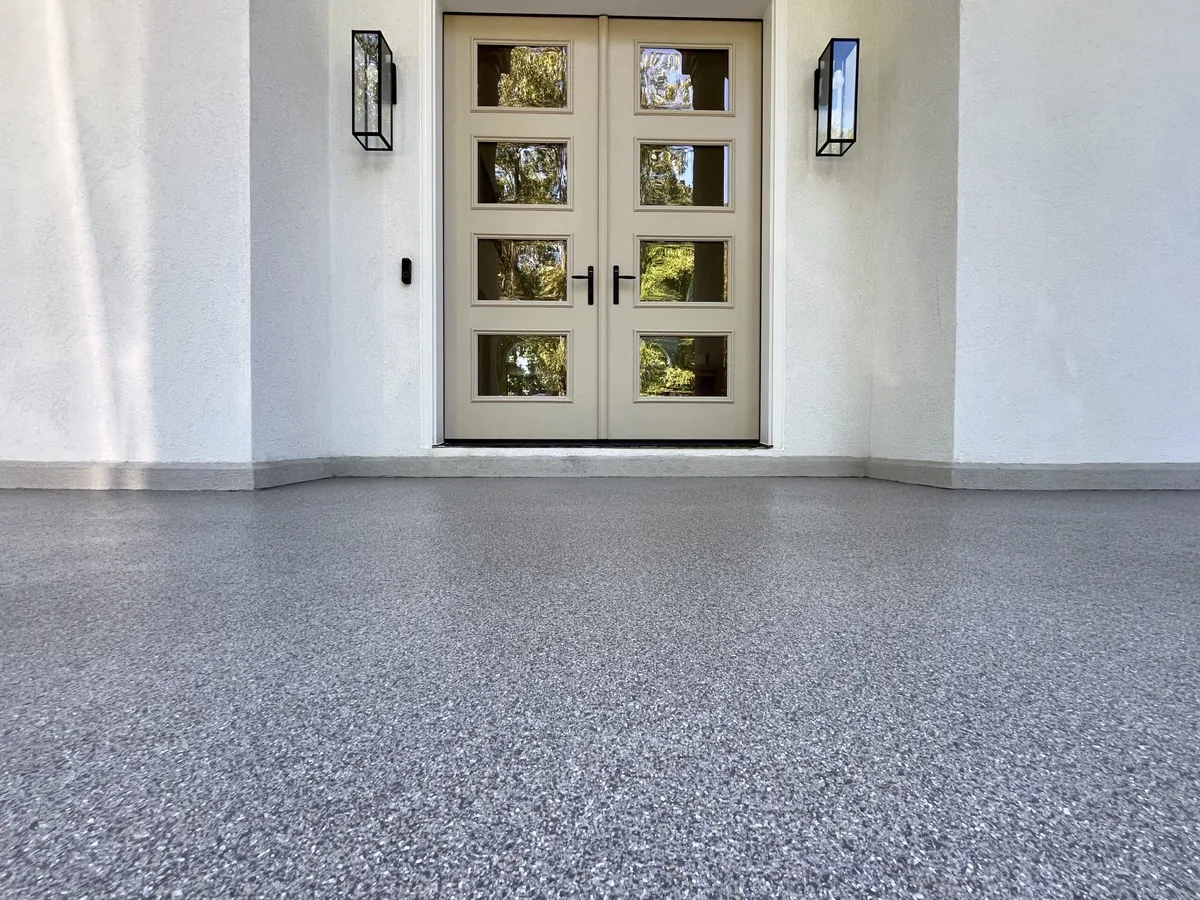
Polyaspartic flake coatings for concrete driveways and the slabs around them. A UV-stable topcoat and a textured finish suit Florida sun and rain.
Learn MorePolyaspartic full flake goes on garages, with a UV-stable topcoat. Epoxy with a sand finish goes on shop floors and workshops.
Every job starts with a look at the floor. Your free estimate then spells out the system and the price in writing.
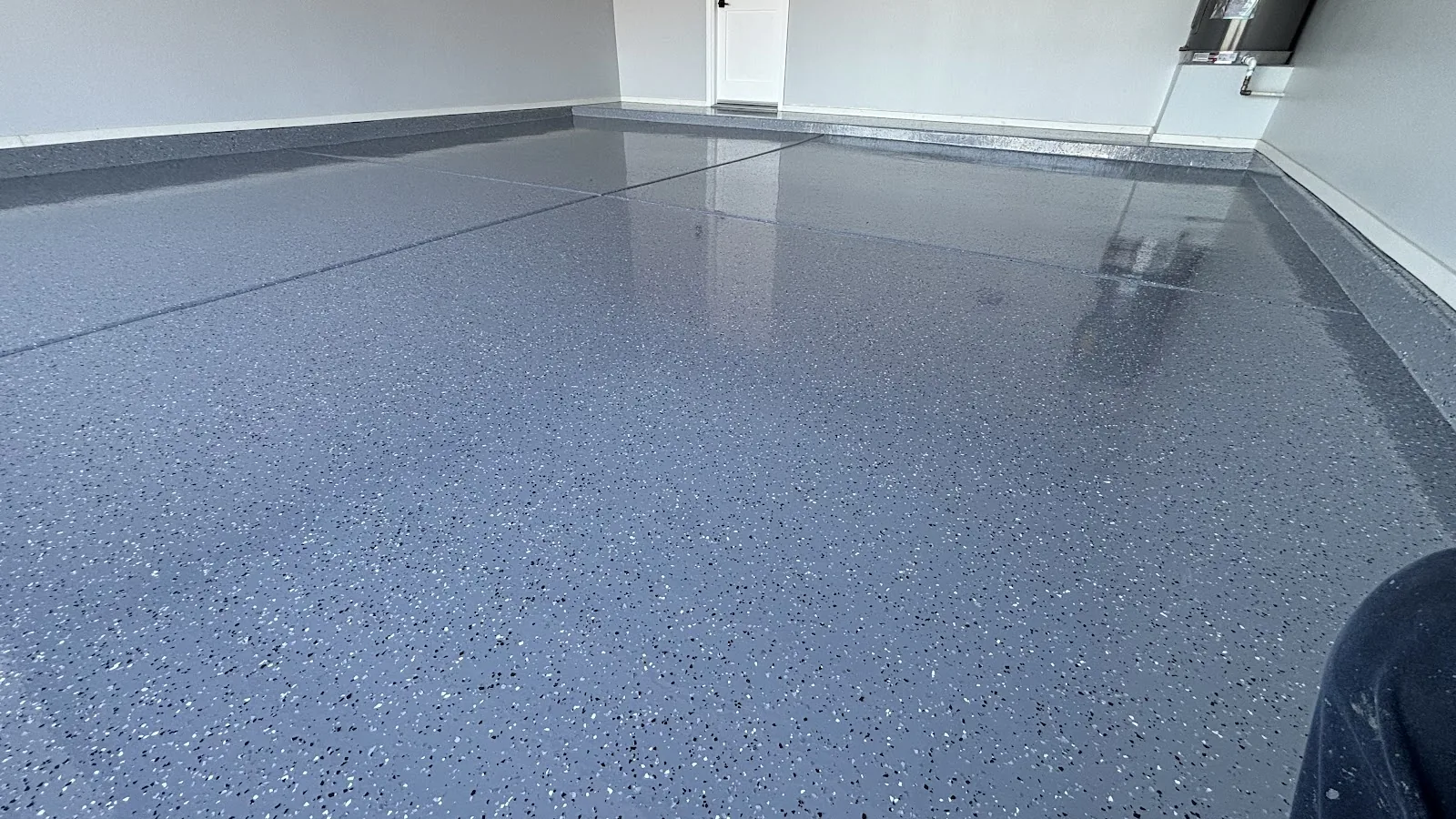
Polyaspartic vs epoxy for a Florida garage floor: cure time, UV yellowing, heat and humidity, hot tire pickup, thickness and market cost ranges.
Read more →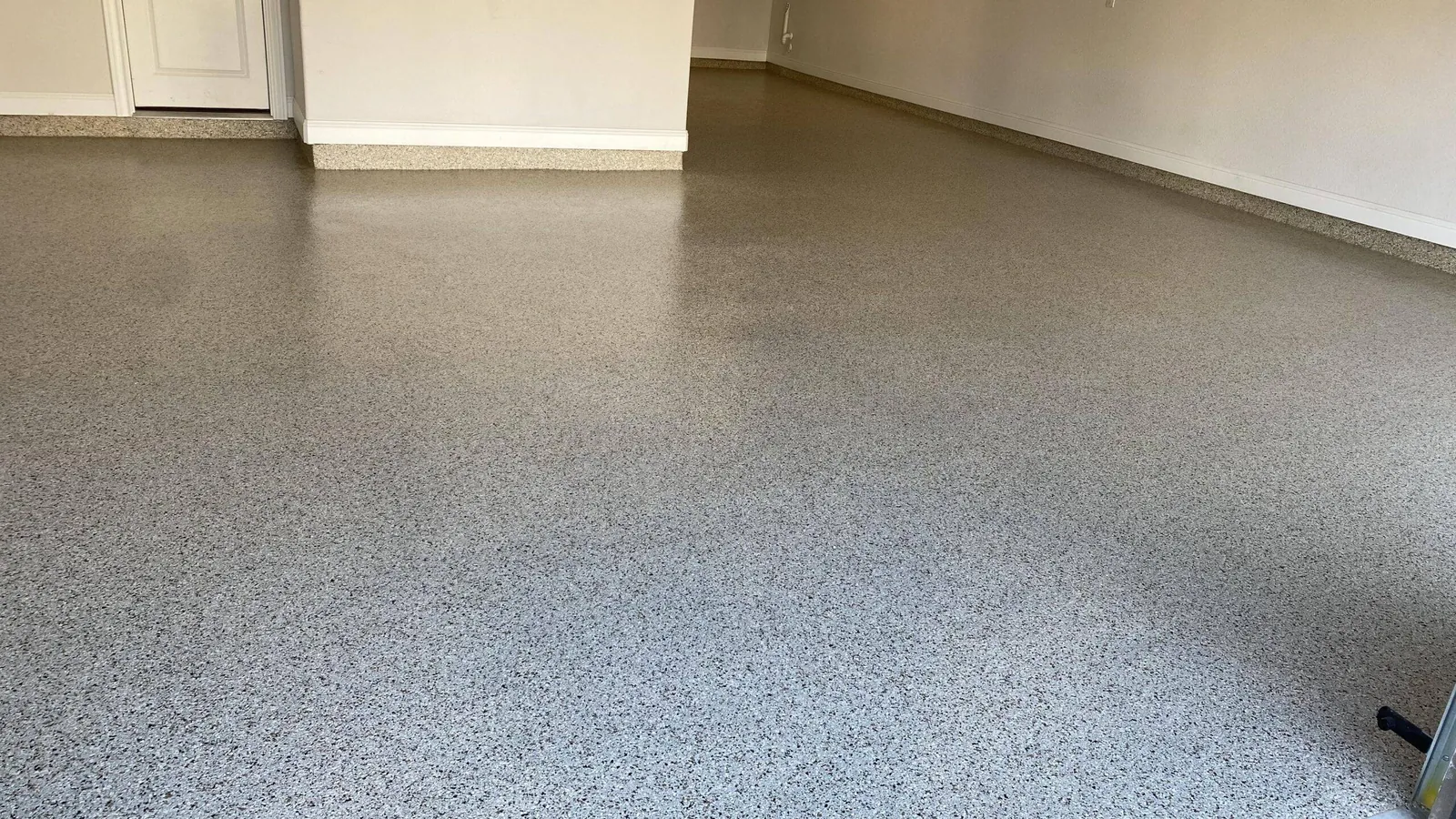
Garage floor tiles vs epoxy for a Florida garage: the verdict, market cost ranges, hot tire pickup, expansion gaps, slab moisture, cleaning and DIY.
Read more →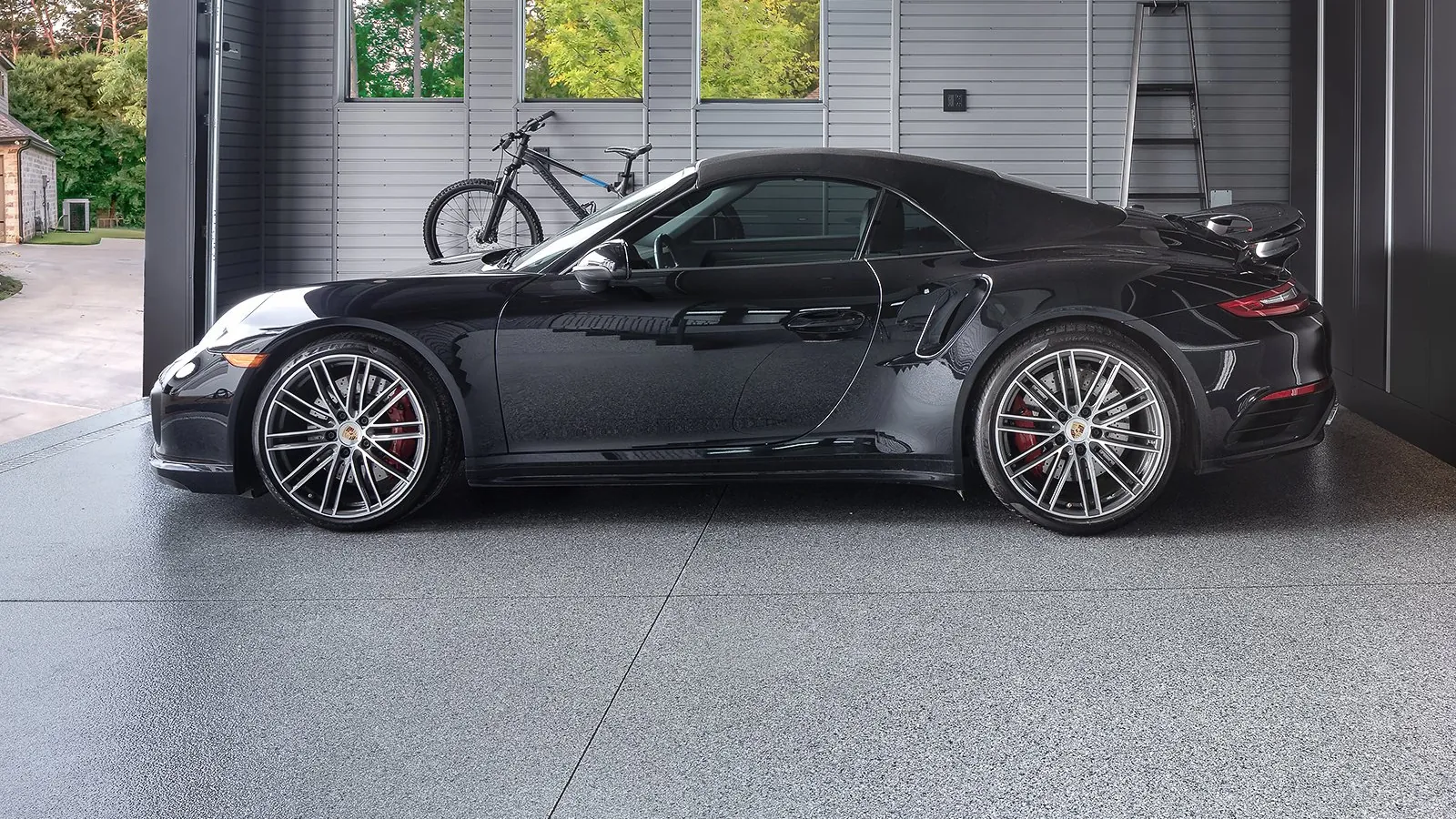
Polyurea vs polyaspartic garage floor coatings: why many systems use both, UV yellowing, cure speed, flexibility, Florida slab moisture and market cost.
Read more →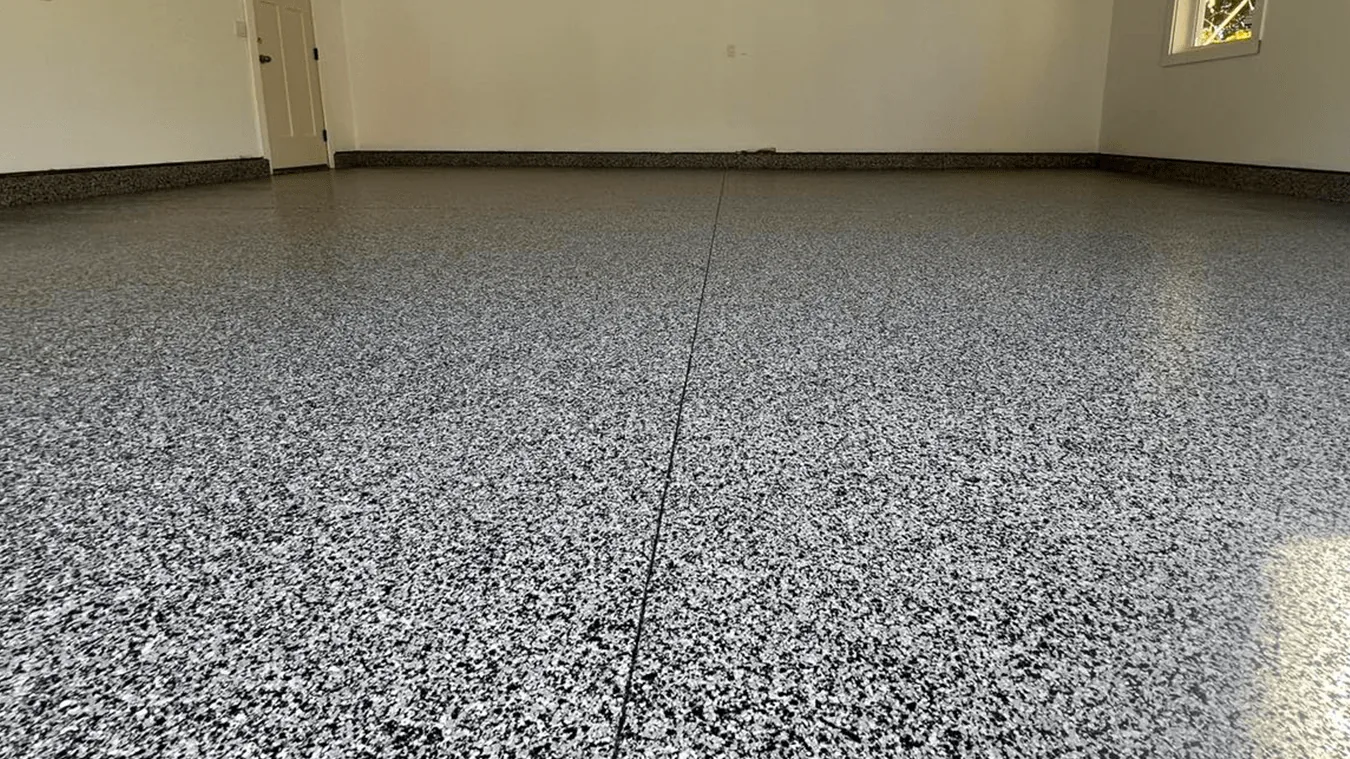
How long new concrete must cure before a garage floor coating, plus moisture tests, curing compounds, HOA rules and flake picks for Central Florida homes.
Read more →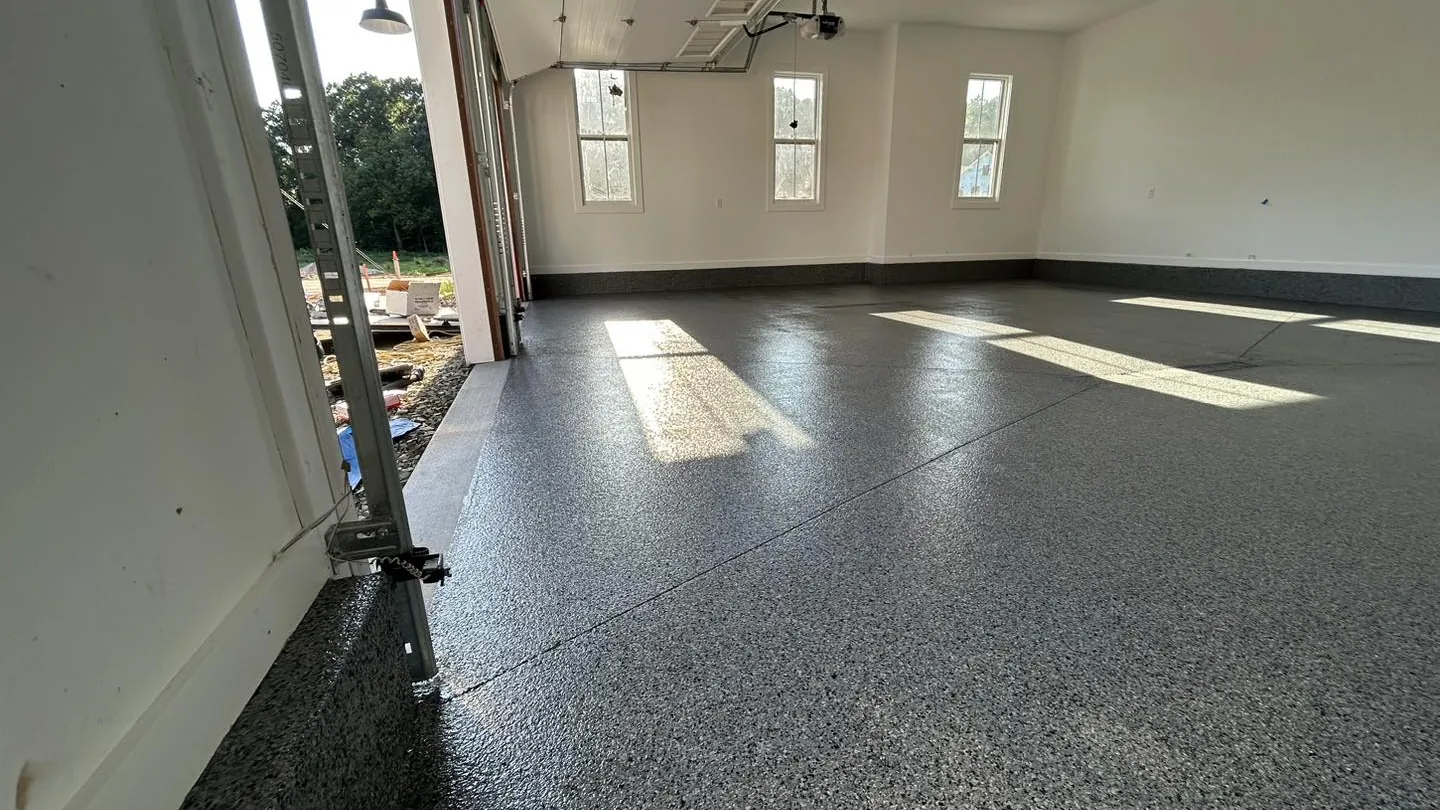
Concrete driveway coating cost in Florida: market ranges per square foot from national guides, sealer vs coating vs resurfacing, and what moves the price.
Read more →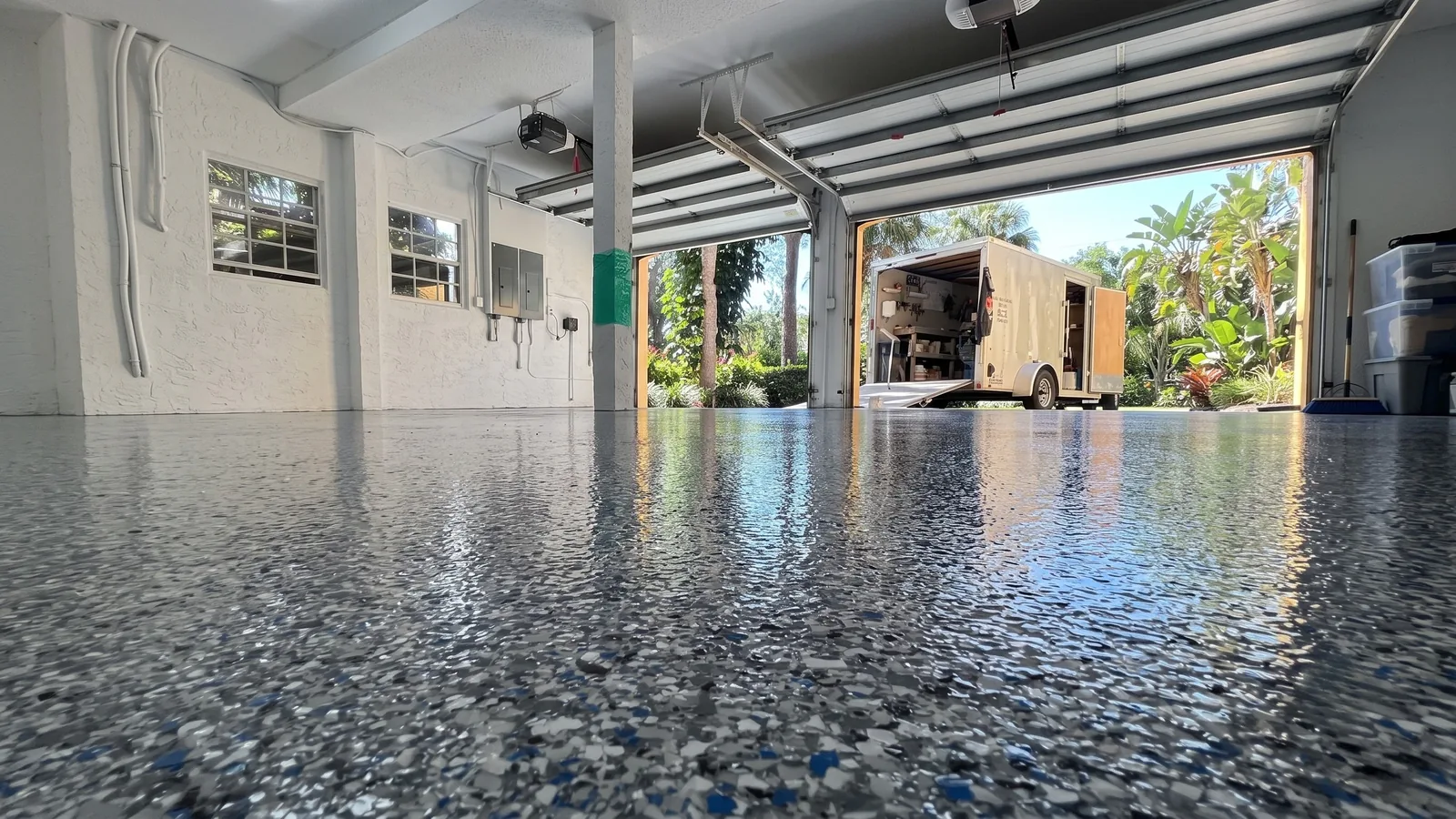
What a garage floor coating costs in Florida: market ranges for polyaspartic flake and epoxy by garage size, and what moves the price up or down.
Read more →Tell us about the floor you want coated and where the property is. Call or text (866) 282-7667 or use the form, and we will set up your free estimate.
Tell us about the garage, patio, driveway or shop floor and where it is. We look at the job and put your free estimate in writing.