Polyaspartic Coatings
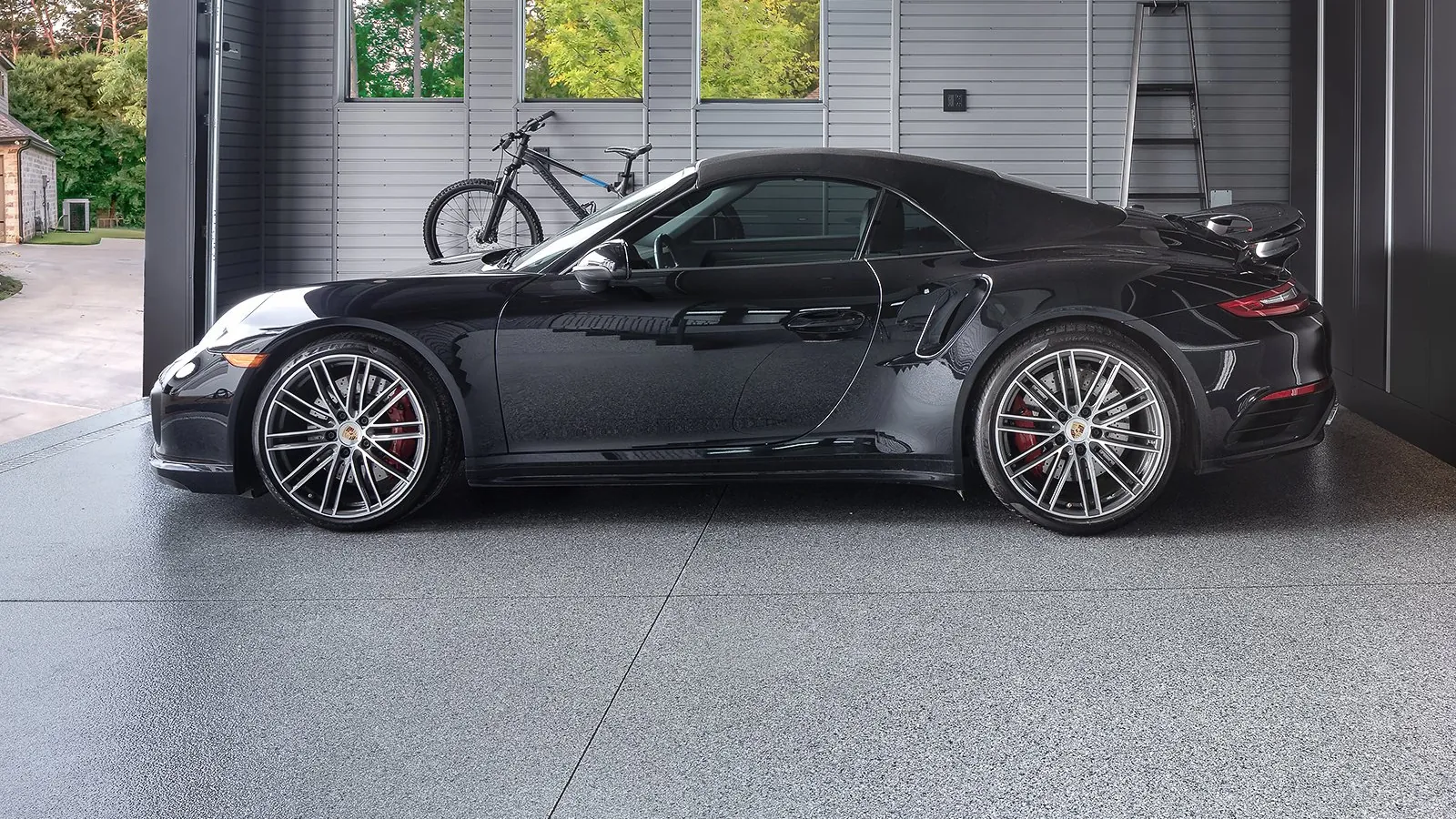
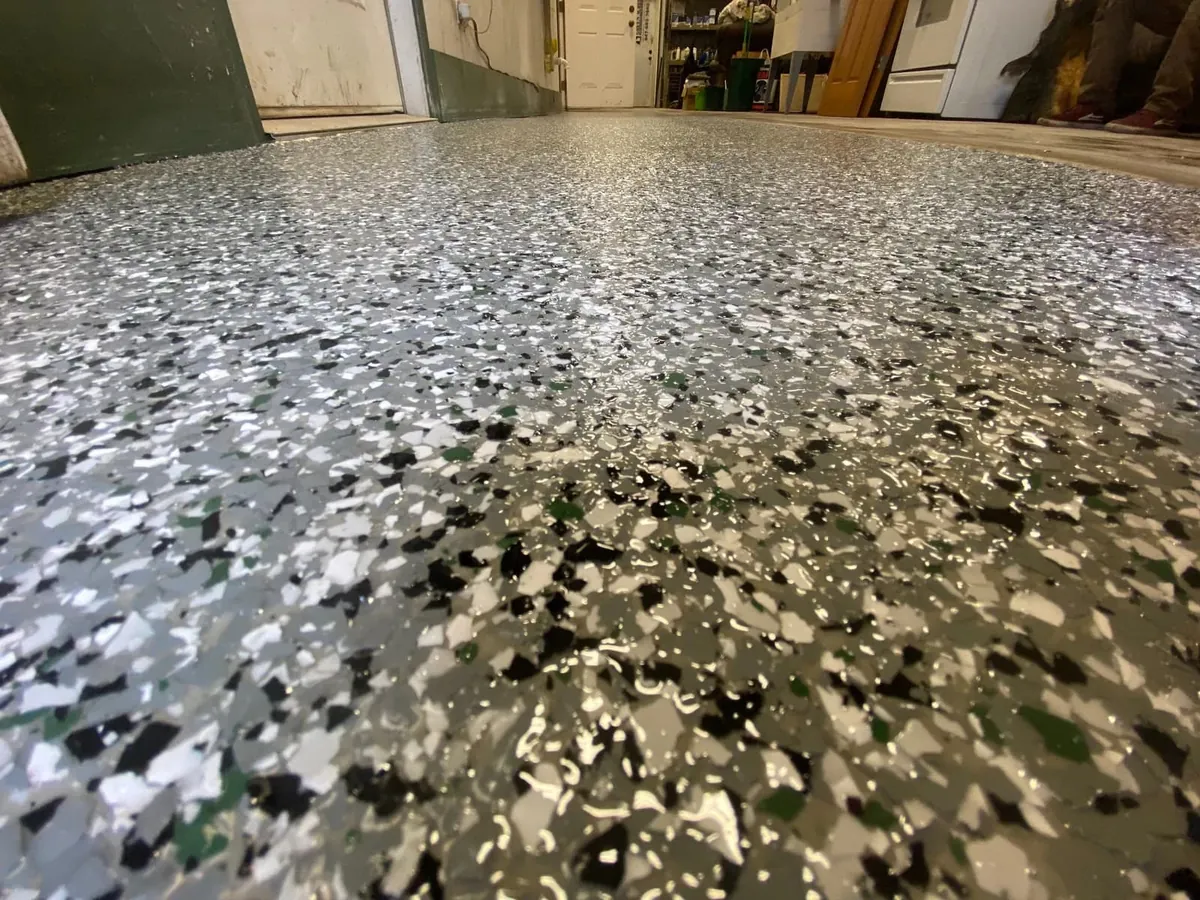
Our main garage floor system pairs a polyaspartic coating with a full flake broadcast. It cures fast and holds its color in the sun.
Learn More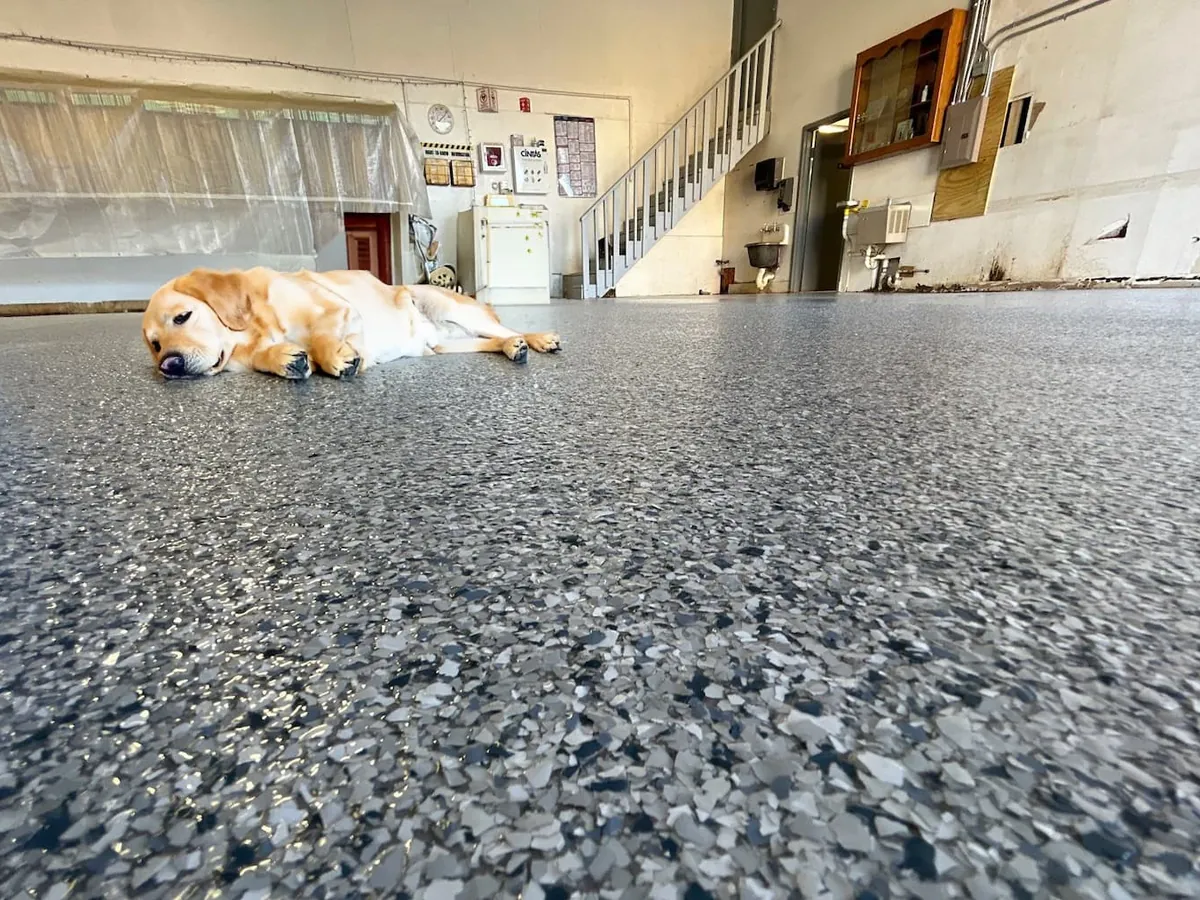
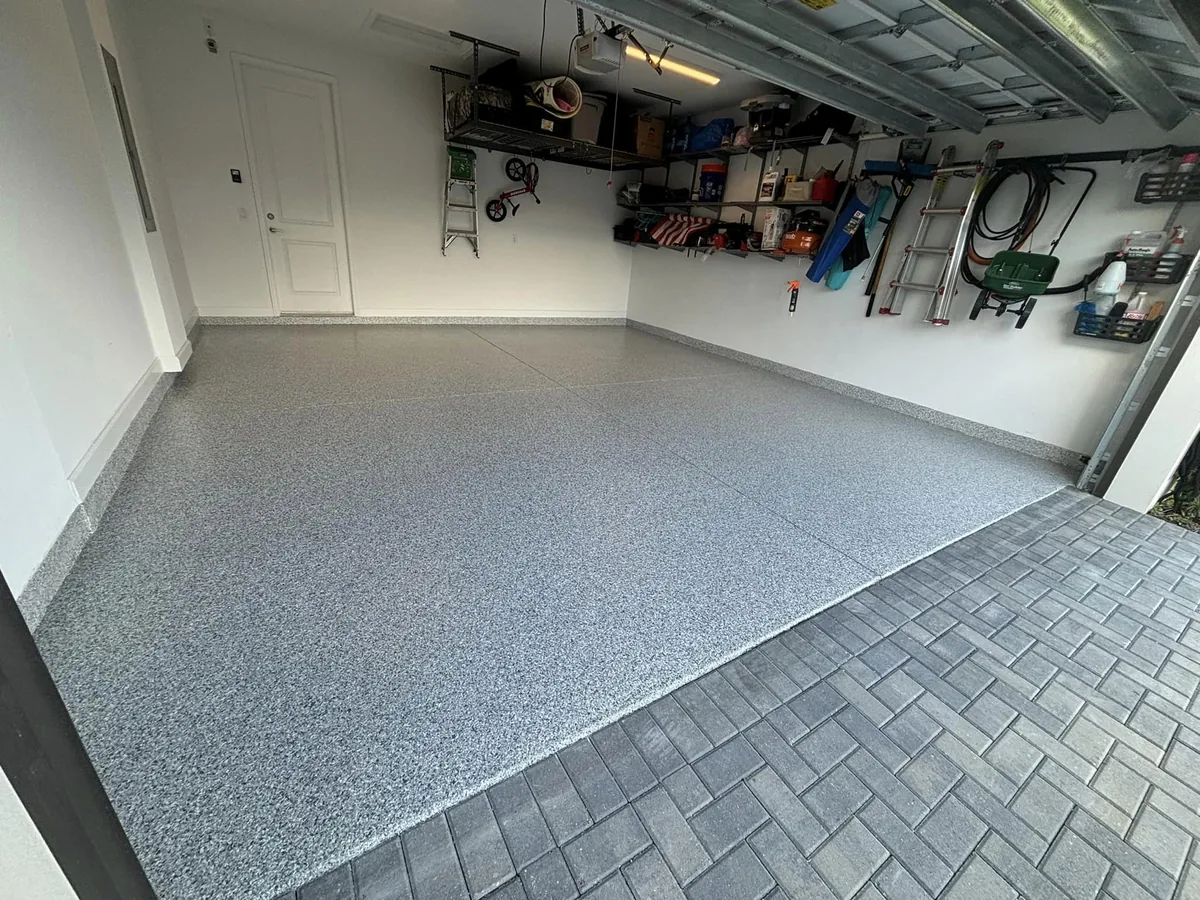
Polyurea floor coatings start with the base coat, the layer that holds on to your concrete. Armor Garage Flooring grinds the slab first, then lays down the base coat. Flake goes into the wet coat until it takes no more, and a clear polyaspartic topcoat seals it. We install them on garage floors around Eagle Lake, Polk County and the Four Corners side of Central Florida.
Armor Plus and Armor Signature are built this way. Armor Plus has a polyurea base coat, and Armor Signature has a hybrid epoxy/polyurea system that provides moisture mitigation. Compare them on our coating packages page, then call or text (866) 282-7667 for a free estimate.
Tell us about the garage, patio, driveway or shop floor and where it is. We look at the job and put your free estimate in writing.
Polyurea forms when two liquid parts are mixed and react. The polyurea industry's trade association defines it as the reaction product of an isocyanate and a resin blend. That blend has to be made of amine-based resins. The two parts harden into a tough, flexible coat.
The isocyanate can be aromatic or aliphatic, and the difference shows in sunlight. A paper from that association's annual conference says aromatic polyureas fade or change color in ultraviolet light. One polyurea base coat data sheet lists its product as not UV stable and not designed as a finish coat.
So the base coat and the topcoat do different jobs. The base coat bonds to the concrete and holds the flake for the full flake finish. The clear topcoat is polyaspartic, a two-part aliphatic polyurea made for glossy, color-stable thin films. How it handles sun and hot tire pickup is covered on our polyaspartic floor coatings page.
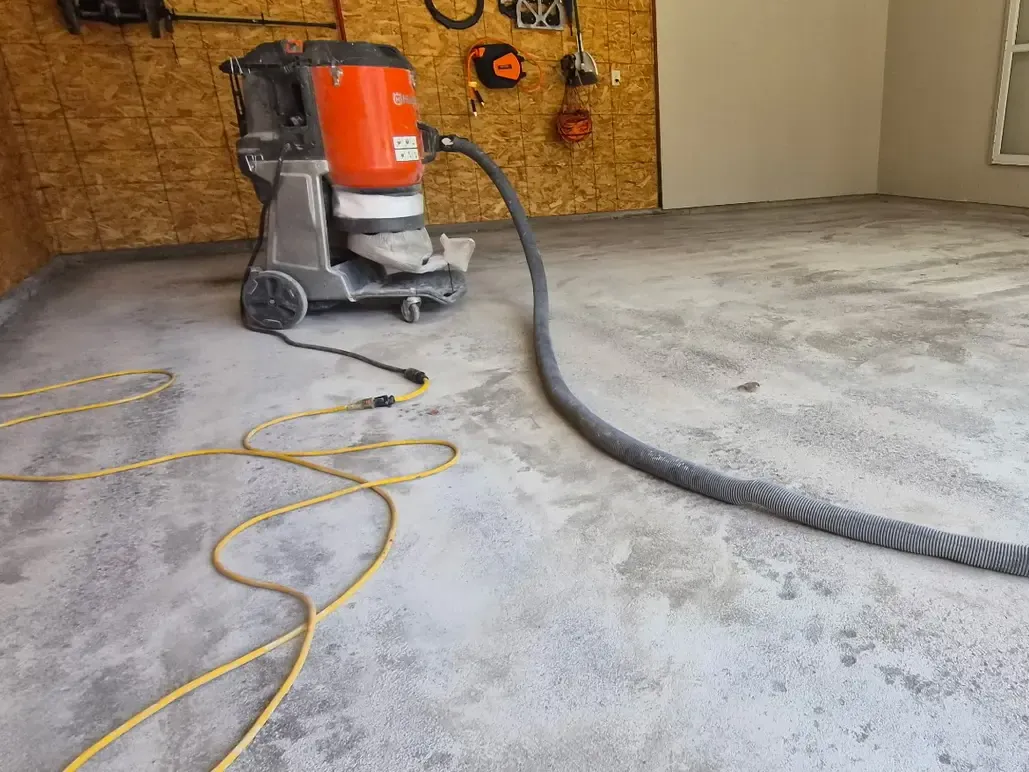
A coating holds only as well as its bond to the slab. One polyurea base coat data sheet calls for concrete that is mechanically prepared to a set surface profile. Grinding is how we prep it. In that sheet's pull test, the bond held past 400 pounds per square inch, and the concrete gave way first.
Polyurea also flexes. The same sheet lists 65 percent elongation. That means the cured coat can stretch 65 percent past its length before it breaks. A maker's guide to polyurea base coats lists flexibility and impact tolerance among their strengths.
Polyurea cures fast, too. The same guide says polyurea base coats often cure in 1 to 3 hours. Mixed, one base coat stays workable for about 10 to 25 minutes at 70 degrees, and heat shortens that. So the flake goes in while the coat is wet, in the blend you pick from our flake colors.
Too much moisture in a slab can make a coating peel, an industry test standard warns. Polyurea will still react over a wet slab, but the association paper says it will not bond there. One base coat data sheet says a slab poured on the ground requires a moisture barrier.
Myakka soil covers about 1.4 million acres, mostly in the flatwoods of peninsular Florida. The federal soil survey rates it poorly or very poorly drained. Its water table sits less than 18 inches down for 1 to 4 months in most years. A slab on ground like that can take on moisture from below.
Coating makers generally require a moisture test before a coating goes on concrete. A plastic sheet test shows whether moisture is present, and a calcium chloride test measures the vapor. Probes set into the slab read its humidity, and one base coat sheet wants that below 80 percent. When a slab reads high, Armor Signature's hybrid epoxy/polyurea system provides moisture mitigation.
Call or text for a written quote. We work about 45 miles around Eagle Lake across Polk County and Four Corners.
(866) 282-7667From the first call or text to the finished work, here is how it goes.
Call or text (866) 282-7667, or send the form. Tell us which floor you want coated and the town it is in.
We look at the concrete, including cracks and any old sealer or coating. Then we recommend the system that fits.
Your free estimate comes in writing, with the work and the price spelled out. Once you say yes, we set a start date.
We grind the whole slab and fill the cracks before any coating goes on.
A base coat goes down, then the flake or the sand, then a topcoat. The coating manufacturer's schedule sets when you can walk on it and park on it.
Common questions about polyurea coatings around Eagle Lake and the rest of Polk County. If yours is not here, call or text and ask.
Our main garage floor system pairs a polyaspartic coating with a full flake broadcast. It cures fast and holds its color in the sun.
Learn More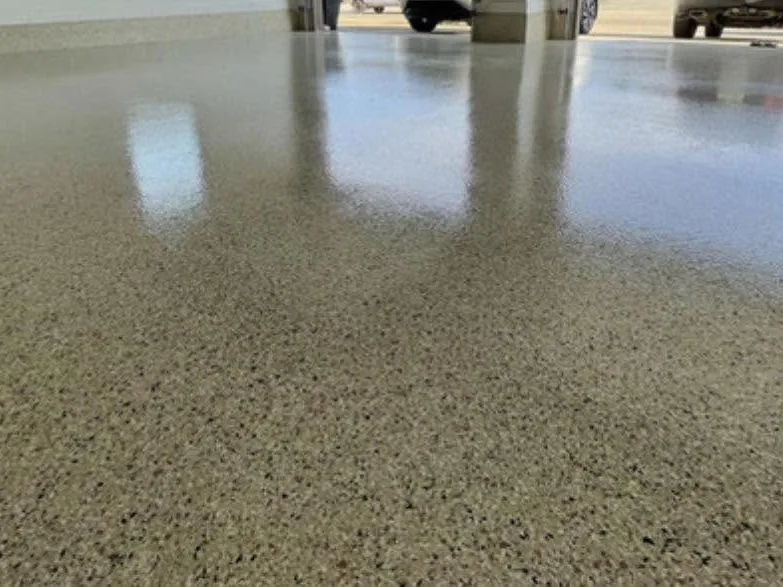
A full flake floor covers the slab in color chips, edge to edge, under a clear topcoat. Pick a flake blend to match your style.
Learn More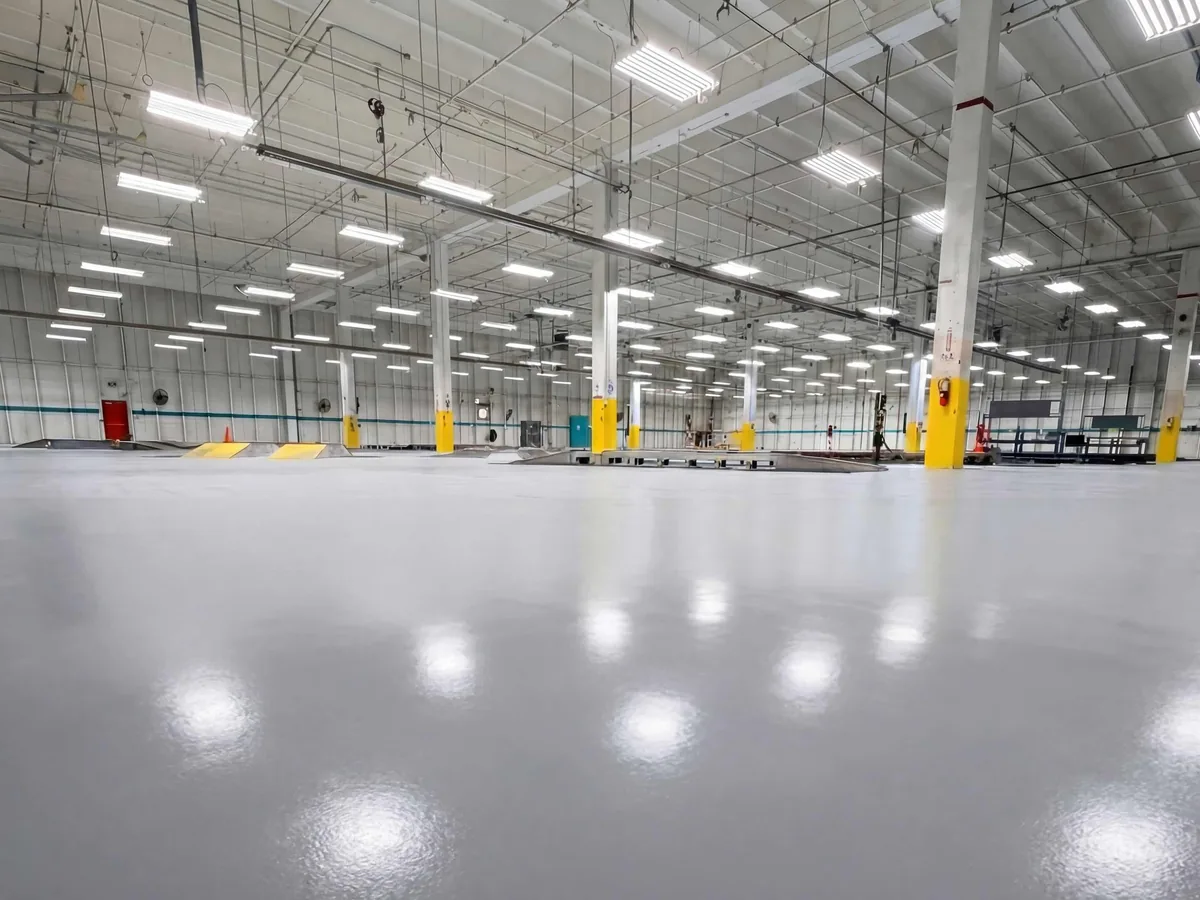
Our epoxy system goes over concrete we grind first and ends in a sand finish for grip. It suits workshops, utility and laundry rooms, basements and commercial floors.
Learn MorePolyaspartic full flake goes on garages, with a UV-stable topcoat. Epoxy with a sand finish goes on shop floors and workshops.
Every job starts with a look at the floor. Your free estimate then spells out the system and the price in writing.
Tell us about the floor you want coated and where the property is. Call or text (866) 282-7667 or use the form, and we will set up your free estimate.
Tell us about the garage, patio, driveway or shop floor and where it is. We look at the job and put your free estimate in writing.